

What undiagnosed ADHD feels like is not always obvious from the outside, but from the inside it can shape a childhood, a sense of self, and an entire way of moving through the world.
When I was six or seven, I remember sitting in a maths lesson copying simple addition sums from the blackboard into my jotter.
The sums were easy. I knew the answers as soon as I saw them. Copying them out line by line felt slow and unnecessary. I did not understand why I had to prove something I already knew.
So I changed the pattern.
Instead of copying each sum horizontally, I copied all the first numbers down the page first. Then I went back and wrote all the plus signs. Then the second numbers. Then the equals signs. Then the answers.
It made the task more interesting. More structured. Almost like I had turned it into a puzzle.
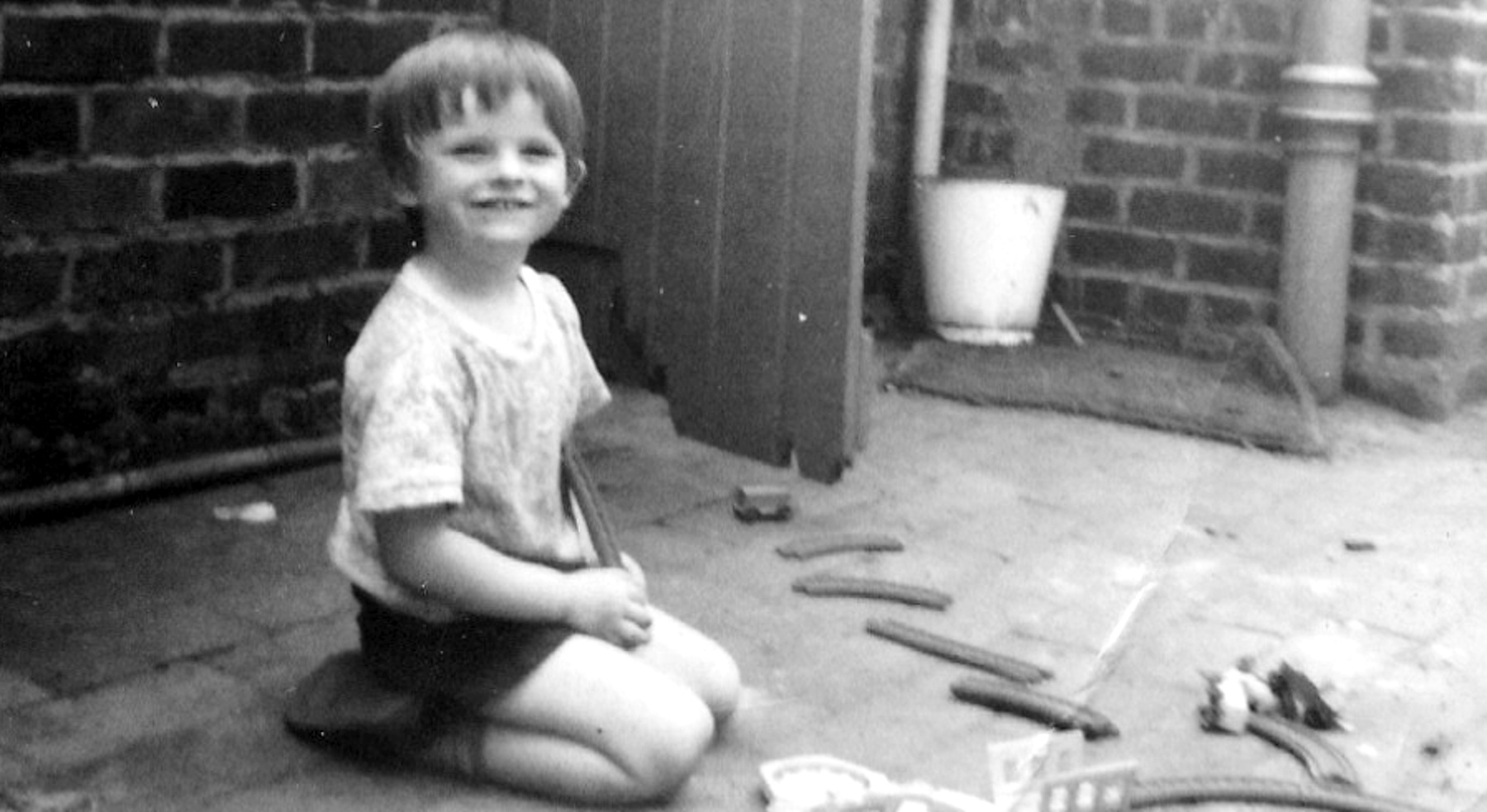
I was not disruptive. I was not struggling to understand. Adults often described me as conscientious in maths and science, but that was largely because those subjects came naturally. They did not demand sustained effort from me in the same way other subjects did.
What I remember most clearly is boredom, and the restless feeling that came with it. If I did not create some kind of stimulation inside the task, my mind would drift somewhere else entirely.
In English, where things did not come as easily, I found other ways to cope. I wrote essays full of puns, sarcasm and absurd twists. It was the only way I could keep myself engaged long enough to finish. Without those hooks, I do not think I could have focused at all.
Teachers saw mischief or a lack of seriousness. I felt confused.
Why could I grasp complex ideas but not complete straightforward tasks in a normal way?
Why did I need to reshape everything just to stay present?
I did not have language for any of it.
What I had instead was a growing sense that something about me was slightly off.
As I got older, that feeling deepened.
I was rarely the child who applied steady effort. If I could rush something to free my mind sooner, I would. If I could not rush it, I searched for something within it that would make it tolerable. Humour. Pattern. Internal commentary. Anything that would hold my attention.
Over time, that developed into shame.
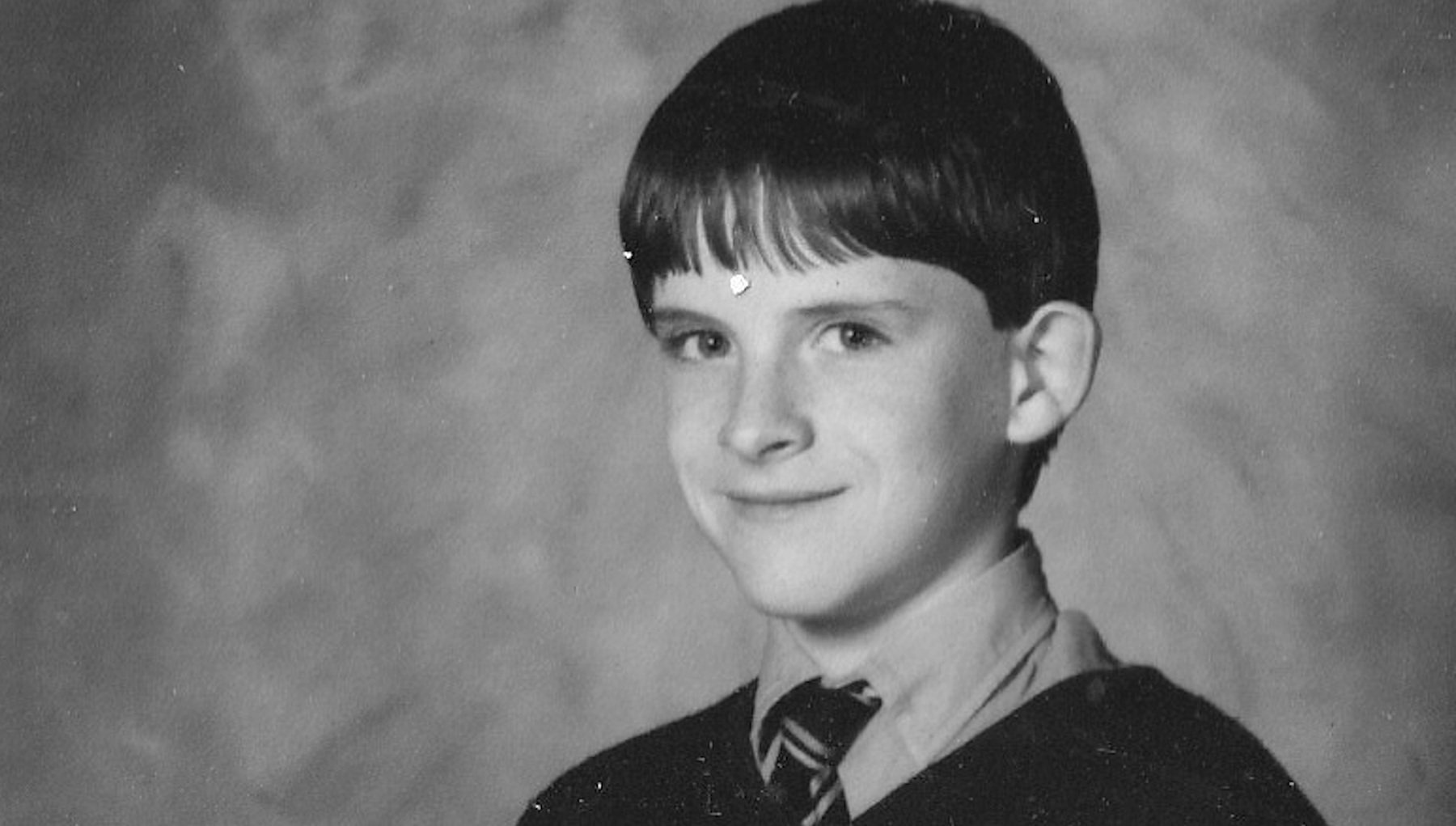
It was not dramatic or visible. It was quiet and persistent. The belief that I could be more, should be more, if only I tried harder.
In my twenties and thirties, that belief hardened. I was diagnosed with depression in the 1990s, and on a couple of occasions since. There were depressive episodes. But there was also something constant beneath them. Confusion. Anxiety. Exhaustion. A steady feeling of being defective.
Basic tasks often felt heavier than they should have. I avoided things that mattered to me. I left important work until the final hours, even when I had days or weeks to complete it. Then I would stay up late finishing it under pressure, angry with myself for not starting earlier.
For years I tried to fix this through discipline. I followed productivity advice. I read systems. I told myself the answer was consistency and effort. I believed the problem was character.
In 2018, while undergoing treatment for depression, I read a post on Reddit in the subreddit /r/getdisciplined/.
It was a cry for help from someone who felt unable to start tasks they cared about. They described being paralysed by small decisions, drifting into easier distractions, leaving everything until the last possible moment, and feeling intense shame about it.
Reading it felt like looking into a mirror.
Every detail matched something in my own life. The patterns. The emotional tone. The exhaustion.
In the replies, dozens of people suggested the same possibility. They said it sounded like ADHD.
I had not gone looking for that answer. I was looking for discipline.
That suggestion unsettled me. It stayed with me.
I mentioned it to the GP who was treating my depression at the time. The response was cautious. I was told that I might not want a label like that at my age. I was in my late forties.
So I put the idea aside.
A few years later, a close relative told me they had been diagnosed with ADHD. Listening to them describe their experience felt uncomfortably familiar. The patterns were too similar to dismiss.
This time, I returned to my doctor and asked for a referral for assessment.
What Undiagnosed ADHD Actually Means
When people hear “undiagnosed ADHD,” they sometimes imagine something dramatic. Constant hyperactivity. Obvious disruption. A life that is visibly chaotic.
That was not my experience.
For me, undiagnosed ADHD meant living for decades without understanding why certain things felt disproportionately hard.
It meant growing up without a framework for why I could grasp complex ideas quickly but struggle to begin straightforward tasks. It meant believing that inconsistency was a character flaw rather than a pattern.
Undiagnosed ADHD does not mean ADHD suddenly appears later in life. It means the traits were always there, but they were interpreted differently. Sometimes they were praised. Sometimes they were criticised. Often they were misunderstood.
Many people only begin to question undiagnosed ADHD in adults later in life, when the gap between intention and follow-through becomes too loud to ignore.
In children, it can look like brightness mixed with distraction. In adults, it can look like capability mixed with chronic underachievement. It can look like enthusiasm followed by avoidance. Intention followed by paralysis.
Living with undiagnosed ADHD means building an identity around explanations that never quite fit.
Lazy. Careless. Unmotivated. Overly sensitive. Inconsistent.

You try harder. You promise yourself you will change. You search for discipline. You read productivity systems. You assume everyone else finds effort as heavy as you do and simply pushes through it.
When you do succeed, it feels fragile. When you fail, it feels definitive.
Without a framework, every difficulty becomes personal.
That is what undiagnosed ADHD felt like to me. Not chaos. Not incapacity. But a constant mismatch between ability and execution, with no explanation that made sense.
What It Felt Like as a Child
When I look back, I do not see a child who lacked intelligence or curiosity. I see a child who was energised by knowledge, learning and imagination, and often bored by school, teachers and lessons.
I could be absorbed when something lit up my attention. I could also feel trapped when the task felt repetitive or pointless. In those moments, my mind went looking for something else.
I learned early that certain kinds of effort were rewarded, and other kinds were punished. In the subjects that came easily, I could look capable without having to fight myself. In the ones that did not, I relied on humour, absurdity and cleverness to keep my interest alive.
From the outside, this could look like mischief. From the inside, it felt like survival.
Underneath it was a question I did not know how to ask.
Why is this so easy for me to understand, but so hard for me to do properly?
Living With Undiagnosed ADHD as a Young Adult
When I left school and went to university, something changed in a way I did not understand at the time.
School had structure. Bells rang. Attendance was monitored. Work was chased. Even when I was bored or distracted, there were boundaries that kept me moving forward.
University offered freedom.
No one noticed if I skipped a lecture. No one followed up if I disengaged. I was expected to manage myself.
I believed I could.
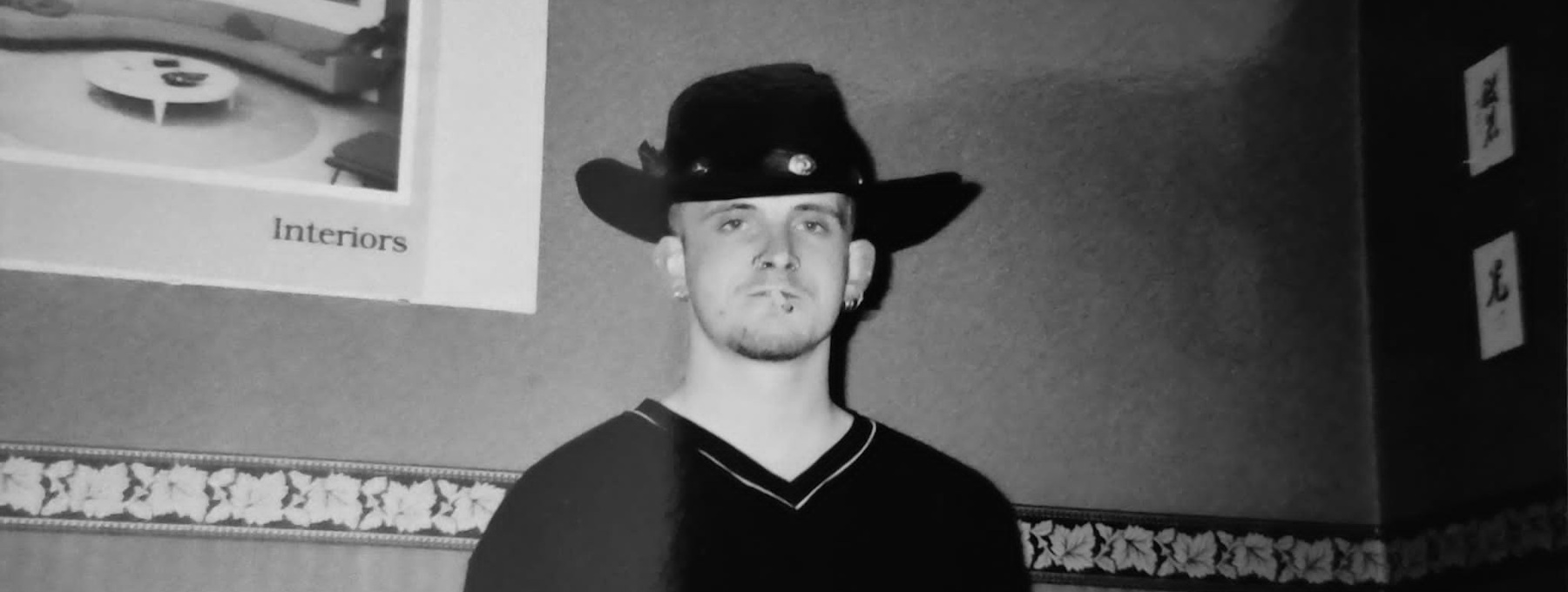
I had chosen my degree deliberately. I was interested in it. I wanted to succeed. But wanting and doing turned out to be very different things.
Instead of attending lectures consistently, I found myself pulled toward things that felt more immediate and alive. I was DJ-ing at student unions. I spent hours with the video society, making films rather than watching them. I joined the radio society. I volunteered with student charities.
I was not idle. I was often energised and busy.
Just not in the direction my degree required.
Each week I told myself I would reset. I would catch up. I would attend everything from now on. The intention was always sincere.
The follow-through rarely came.
Missed lectures turned into avoided modules. Avoided modules turned into dread. Dread turned into silence.
By the end of my second year, I failed my classes.
I did not complete my degree.
That failure did not feel neutral. It felt like exposure.
It felt like the moment the world confirmed what I had privately feared for years. That I lacked something essential. That I was unreliable. That I could not be trusted with my own ambitions.
Other people attended lectures even when they did not feel like it. Other people completed the work. Other people managed themselves.
I concluded that the problem was me.
Years later, I would complete an HND in a different field. The structure was closer to school. The expectations were clearer. The pace felt manageable. I performed well again.
At the time, I told myself that this meant I had finally matured. That I had finally learned discipline.
Looking back, I see a pattern instead.
When the structure held me in place, I could thrive. When it disappeared, so did my consistency.
I did not understand that then. All I felt was shame, and a growing regret for what I believed I had thrown away.
Emotional Masking and the Split Self
There is something I did not understand for most of my life.
I did not know I was masking.
I did not think I was performing. I thought I was trying.

When people talk about emotional masking now, I recognise it immediately. But at the time, what I experienced felt like effort. It felt like doing what was required to appear competent, steady and reliable.
Sometimes I could genuinely try hard. In short bursts, when the circumstances aligned, I could focus intensely. Deadlines, urgency, novelty or interest could pull everything into alignment. In those moments, I was not pretending. I was fully engaged.
The difficulty was consistency.
Most of the time, sustaining that alignment felt slippery. So I relied on what I could control. Presentation. Articulation. Confidence in conversation. Delivering under pressure. Redirecting attention toward the areas where I was naturally strong.
From the outside, that looked like competence.
Inside, it often felt fragile.
Because I could get away with it, at least some of the time, I told myself this was what trying hard meant. Managing impressions. Compensating for the gaps. Making sure the important things were completed eventually, even if the process was chaotic.
Over time, the gap between internal experience and external appearance widened.
I became highly alert to how I might be perceived. I anticipated criticism before it arrived. I over-prepared in some areas and avoided others entirely. I apologised pre-emptively. I explained myself too much.
The exhaustion was not only about tasks. It was about maintaining the version of myself that seemed acceptable.
When things went well, I felt relief rather than pride. When they went badly, it confirmed a fear that had been building quietly for years.
That I was only ever just managing to pass.
The Self-Esteem Damage I Did Not See Happening
For years, I thought my problem was effort.
When something went wrong, I traced it back to discipline. I did not work hard enough. I did not prepare properly. I did not apply myself consistently.
Over time, that explanation hardens into identity.
You stop saying, “I struggled with this.”
You start saying, “I am the kind of person who struggles.”
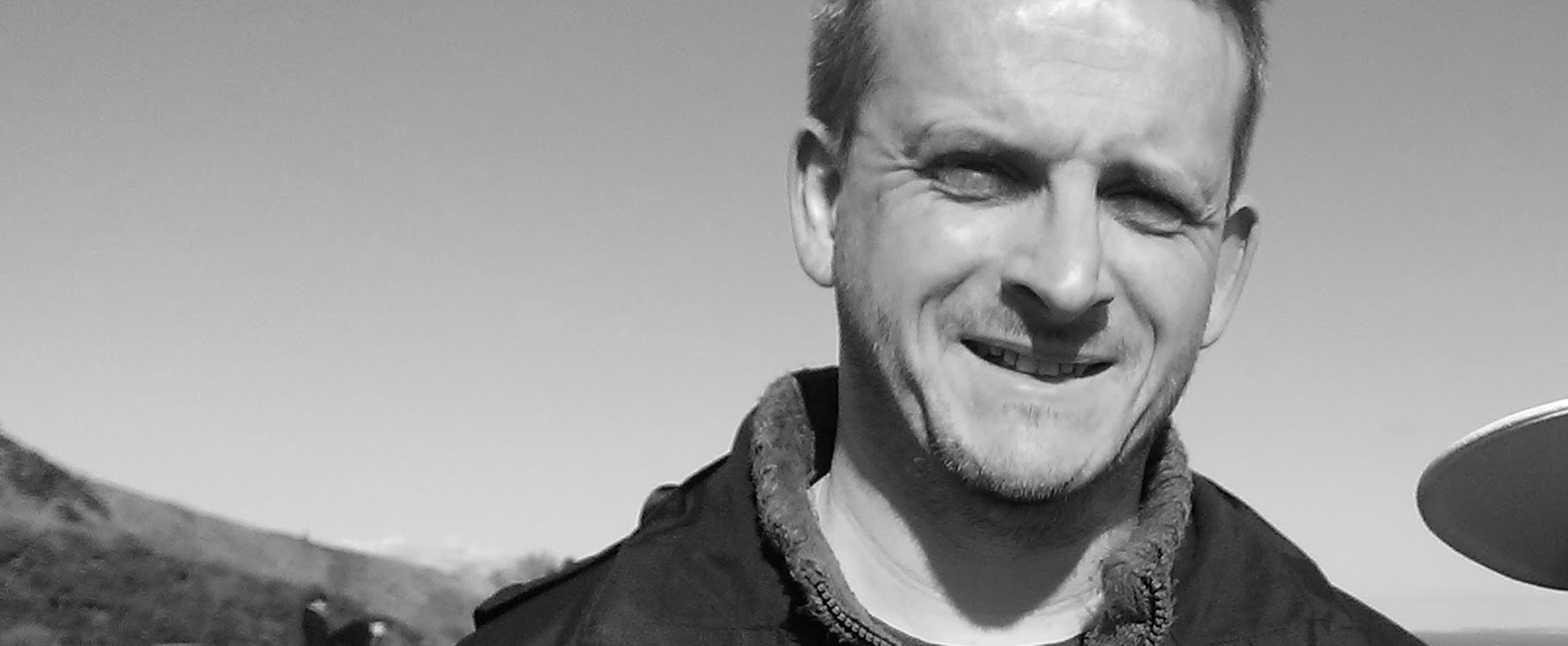
Living with undiagnosed ADHD meant that every inconsistency felt personal. Every missed opportunity became evidence. Every failure reinforced the idea that I lacked something essential.
The regret did not arrive all at once. It accumulated.
It surfaced when I thought about the degree I did not complete. When I imagined the paths that might have opened if I had managed myself differently.
It surfaced in relationships that broke down. Not because I wanted to hurt anyone, but because unpredictability and inconsistency have consequences. Good intentions do not always protect other people from the impact of your behaviour.
That is a difficult thing to sit with.
There are moments when I think about the version of myself I believed I could have been. The life that might have unfolded if effort had worked the way it seemed to for everyone else.
There is regret in that.
There is also grief.
Grief for the years spent believing I was defective. Grief for the energy poured into trying to fix the wrong problem. Grief for the times I hurt people I cared about, not through malice, but through patterns I did not understand.
ADHD and low self esteem can become tightly woven together when you do not know what you are dealing with. Without a framework, you interpret difficulty as failure. Without explanation, you internalise.
You assume you are unreliable. You assume you are selfish. You assume you are weak.
The shame becomes quieter as you get older, but it does not disappear. It settles into the background and begins to shape decisions.
It narrows ambition.
Not in a dramatic way. You do not wake up one day and announce that you are aiming lower. It happens gradually. You stop putting yourself forward for things that feel slightly out of reach. You hesitate before committing to opportunities that require sustained consistency. You talk yourself out of paths that once excited you because you no longer trust your ability to follow through.
It lowers expectations.
First other people’s expectations. Then your own.
You begin to pre-empt disappointment. You frame your goals cautiously. You understate your intentions. You tell yourself you are being realistic.
Underneath that realism is fear.
Fear of starting something you will not finish. Fear of letting people down again. Fear of confirming what you have suspected about yourself for years.
Over time, acceptance of being “broken” can harden into identity.
You stop arguing with it. You stop questioning whether the explanation is accurate. You organise your life around managing your perceived flaws rather than understanding them.
You choose the safer option. The smaller stretch. The version of the future that feels survivable rather than expansive.
From the outside, that can look like maturity. Sensible decisions. Stability.
Inside, it can feel like quiet surrender.
Not a conscious decision to give up, but the gradual running out of energy required to keep pushing against the same invisible resistance. The effort of trying again begins to feel more costly than the disappointment of staying small.
That was the part of undiagnosed ADHD that did the most long-term damage for me. Not the missed tasks. Not the chaotic deadlines. But the slow recalibration of who I believed I was allowed to become.
The Moment It Clicked
The first time I read that Reddit post in /r/getdisciplined/, something shifted.
I had gone there looking for strategies. Systems. Proof that if I just applied myself properly, I could solve what I believed was a discipline problem.
Instead, I found a description of my internal life written by someone else.
The language was different from how I would have described it, but the experience was identical. The paralysis around starting. The drift toward easier stimulation. The shame. The last-minute surges of productivity followed by exhaustion.
When people in the replies suggested ADHD, I resisted it at first. It felt like an overreach. I had spent years thinking the issue was effort. ADHD seemed like something louder, more obvious, more external.
But the suggestion stayed with me.

When a close relative later shared their diagnosis, that suggestion became harder to ignore. Listening to them describe their experience felt like watching the same pattern replayed with different details.
The possibility stopped feeling abstract.
Understanding ADHD did not erase regret. It did not rewrite the past. It did not magically dissolve years of self-criticism.
What it did was change the story.
It shifted the explanation from moral failure to misalignment. From defectiveness to difference. From “I am broken” to “I have been trying to solve the wrong problem.”
That shift was not explosive. It was quiet.
But it altered the way I look at my childhood, my university years, my relationships and my ambitions.
It did not remove responsibility for my actions. It did not excuse the people I hurt or the opportunities I missed.
It did something else.
It introduced context.
And context changed everything.
ADHD, Depression, and the Cost of Not Knowing
I was diagnosed with depression in the 1990s, and again later in life.
Those diagnoses were not invented. There were periods where my mood was low, where motivation felt absent, where the future seemed narrowed and heavy.
What I did not understand at the time was how much of that depression might have been shaped by the ongoing strain of living without context.
If you spend years believing you are lazy, unreliable or fundamentally flawed, that belief does not stay contained. It affects how you see yourself. It affects your ambitions. It affects your relationships. It colours your interpretation of setbacks.
Chronic shame is exhausting. Constant compensation is exhausting. Repeated disappointment in yourself is exhausting.
Exhaustion can begin to look like hopelessness.
I do not know whether ADHD and depression are clinically intertwined in my case, or whether one created the conditions for the other. I am not interested in rewriting history or blaming anyone for not seeing something earlier. Adult ADHD was not widely discussed in the 1990s. The language was different. The awareness was different.
What I can say is this.
When the underlying patterns of my life began to make more sense, the story I told myself about my character began to soften. And when that story softened, so did some of the weight I had been carrying.
Understanding does not eliminate depression. It does not protect anyone from low periods. But it changes the narrative around them.
Instead of “This is happening because I am defective,” it becomes “This is happening in a life shaped by patterns I am only now beginning to understand.”
That distinction matters.

If You Recognise Yourself in This
If parts of this feel uncomfortably familiar, I want to be careful here.
This is not a diagnosis. It is not a checklist. It is not proof of anything.
It is one person’s account of what undiagnosed ADHD feels like from the inside.
There are many reasons people struggle with motivation, consistency, follow-through or self-esteem. There are many pathways into depression. There are many explanations for regret.
But if you have spent years believing that your difficulty is a moral failure, it may be worth pausing before accepting that conclusion as final.
For most of my life, I assumed the problem was effort. I tried to become more disciplined. I tried to become more consistent. I tried to become less distracted, less sensitive, less unpredictable.
What changed things was not trying harder. It was asking a different question.
Not “Why am I like this?” in an accusatory way.
But “What if there is context here that I have never been given?”
Understanding ADHD did not give me a new personality. It did not erase the consequences of past choices. It did not remove responsibility for the people I have hurt or the opportunities I let slip.
What it did was widen the frame.
It allowed me to revisit my childhood without contempt. To reconsider my university years without reducing them to failure. To see patterns in my relationships and ambitions that were not simply evidence of defectiveness.
It introduced complexity where I had previously imposed judgement.
If you are in a place of confusion, or shame, or exhaustion, it may be worth exploring that complexity for yourself. Not to excuse everything. Not to adopt a label uncritically. But to understand the systems you have been living inside.
For me, this exploration did not stop at reflection.
A lot of the music I make now sits inside this space, especially through Project Blue Screen. The confusion. The masking. The regret. The quiet surrender. The slow reframing.
Fauhn exists because I needed somewhere to process what I had not understood for most of my life.
The songs are not explanations. They are not diagnoses.
They are attempts to give sound to the internal landscape I have described here.
This is not a finished story.
But it is a different one.
And that difference matters.